
What is a Fabrication Business?
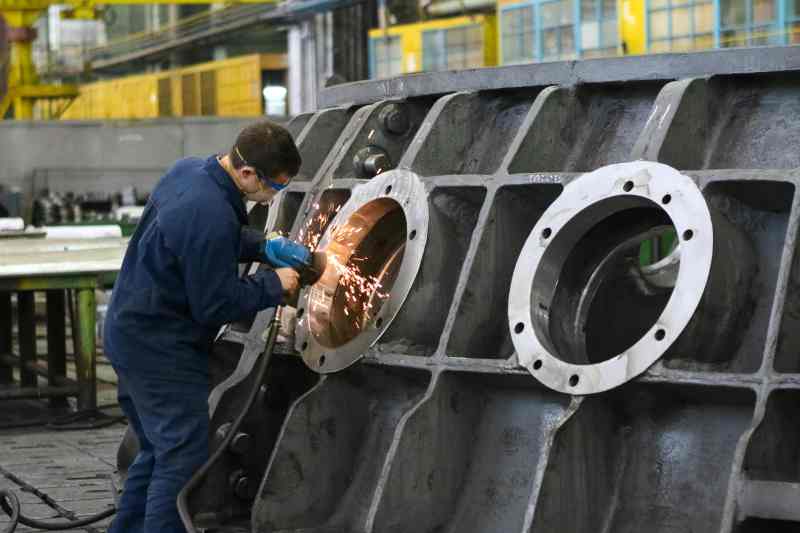
A fabrication business focuses on creating custom products or structures through the process of cutting, shaping, welding, and assembling materials like metal, steel, aluminum, and sometimes wood or plastic. Fabricators typically work in industries like construction, manufacturing, automotive, aerospace, and even art and sculpture.
In essence, fabricators turn raw materials into functional products or parts, often based on customer specifications. This can include
Custom metal parts for machines
Structural components for buildings
Gates, fences, railings
Frames, brackets, or supports for equipment
Specialized items for industries like mining, agriculture.
A fabrication business can range from a small operation with just a few employees to a large-scale factory.
How to Learn the Trade
Learning the trade of fabrication requires both formal training and practical, hands-on experience. Here are some steps to get started:
- Vocational Training and Trade Schools: Many fabrication businesses are built on skills learned through vocational programs or community colleges. Schools typically offer specialized programs in welding, machining, and fabrication, covering essential skills such as blueprint reading, welding techniques, and CNC machine operation. These courses are invaluable for understanding the basics and advancing your skills.
- Apprenticeships: Many fabricators learn their craft through apprenticeships, working under the guidance of experienced professionals. Apprenticeships give you the opportunity to practice and refine your skills in real-world situations while also learning about the business side of the operation.
- Certifications: Obtaining certifications from organizations like the American Welding Society (AWS) can make you more competitive in the market. Certification programs offer specialized training in various welding techniques (MIG, TIG, Stick, etc.) and can help you gain credibility with potential customers.
- On-the-Job Experience: Starting as an entry-level fabricator in a shop can give you the hands-on experience needed to become proficient in the trade. It’s also a good way to learn about managing clients, inventory, and workflow in a professional setting.
Tools and Equipment Needed
A fabrication business requires several essential tools and machines, many of which are expensive but necessary for high-quality work. Here’s an overview of the tools and their approximate costs:
- Basic Hand Tools:
- Welding Machines (MIG, TIG, Stick welders): $500 – $5,000
- Angle Grinders (for cutting and grinding): $50 – $200
- Drill Presses and Drills: $100 – $1,000
- Plasma Cutters (for cutting metal): $300 – $2,500
- Measuring Tools (tape measures, calipers, micrometers): $10 – $200
- Heavy Machinery:
- CNC Machines (for precision cutting and shaping): $10,000 – $100,000 (depending on size and capabilities)
- Press Brakes (for bending metal): $5,000 – $50,000
- Laser Cutters: $5,000 – $50,000
- Metal Rolling Machines: $1,000 – $15,000
- Safety Equipment:
- Welding Helmets (auto-darkening preferred): $100 – $300
- Protective Gloves and Aprons: $20 – $100
- Respirators and Air Filtration Systems: $100 – $500
- Workshop and Storage:
- Workbenches and Tool Storage: $200 – $1,000
- Metal Cutting Tables: $300 – $2,000
- Storage Racks for Materials: $100 – $500
Estimated Startup Costs: The total startup costs for a small fabrication business can range from $10,000 to $100,000, depending on the scale of your operation and the types of machines you plan to invest in. This doesn’t include the cost of renting or buying workshop space or office equipment.
Is There Demand?
Yes — and it’s strong. Demand is steady and widespread across construction, manufacturing, agriculture, mining, and even custom furniture or art installations. Every sector that uses metal parts needs fabricators. The rise of renewable energy, automation, and infrastructure projects is also boosting the need for custom metal work.
Locating your business near industrial areas, farms, or trade hubs (like ports, large warehouses, or construction zones) increases your chance of getting consistent work. If you’re in a rural area, serving the needs of farmers or heavy equipment operators can be a niche.
Where Do You Find Customers?
How Much Can the Fabrication Business Make Per Year?
Earnings in the fabrication industry can vary widely based on the scale of your operation, the type of products you fabricate, and your customer base. Here’s a rough estimate:
- Solo Fabricator: As a solo operator, you could charge anywhere from $40 to $100 per hour, depending on the complexity of the work and your skill level. Assuming you work 40 hours a week and find steady work, your annual revenue could range from $80,000 to $200,000.
- Small Shop (3-5 Employees): A small fabrication shop can earn between $200,000 and $500,000 annually. Revenue depends on the number and scale of projects you take on, with profit margins generally ranging from 20% to 40%.
- Large Shop: A larger fabrication business with specialized equipment (like CNC machines, laser cutters, and presses) can generate upwards of $1 million annually, especially if you service large clients in industries like manufacturing, construction, or aerospace.
Profit Margins: Fabrication businesses typically have profit margins of 10% to 30%. Profit margins may be higher for custom or high-end fabrication projects, especially when clients are looking for specialized products or precision work.
How to Find Customers
Finding customers is one of the biggest challenges of running a fabrication business. Here are some effective ways to attract clients:
- Industry Networking: Build relationships with construction companies, architects, engineers, and contractors who regularly require fabrication services. Attend industry events, trade shows, and networking groups to meet potential clients.
- Referral Programs: Word-of-mouth is incredibly important in the fabrication industry. Satisfied customers will often refer you to others in their network. Offer referral incentives or discounts to encourage repeat business and client recommendations.
- Online Marketing: Create a professional website that highlights your capabilities, services, and past projects. Optimize your site for SEO to ensure you show up in local search results when people are looking for fabricators. Also, use platforms like Instagram and LinkedIn to showcase your projects and build a reputation.
- Partnerships with Manufacturers: Collaborate with manufacturers or distributors who sell raw materials. Building these relationships can lead to steady referrals and potentially long-term contracts.
- Cold Calling and Bidding on Projects: If you’re just starting, don’t be afraid to reach out to potential clients directly. Look for bidding opportunities on construction and industrial projects, or contact local businesses that may need custom fabrication services.
- Specialized Niche: Specializing in a particular type of fabrication (like custom metal art, automotive parts, or precision machining) can help you target a specific customer base and establish a strong reputation in that niche.
Is It Enjoyable?
Running a fabrication business can be highly rewarding if you enjoy hands-on work and creating custom, tangible products. Fabricators often take pride in solving problems, executing challenging designs, and bringing their customers’ visions to life. The work is varied, and every project offers something new, from simple repairs to complex custom fabrications.
However, fabrication can be physically demanding and requires a lot of focus and attention to detail. The job involves lifting heavy materials, operating complex machinery, and ensuring that each project meets high standards of precision. There may also be challenges during busy seasons when orders and deadlines pile up.
If you have a passion for building and problem-solving, the fabrication industry offers not only job satisfaction but also the potential to grow a successful, profitable business.
Conclusion
Starting a fabrication business can be an exciting and lucrative opportunity for anyone with a passion for craftsmanship, design, and engineering. The demand for custom-made products in industries such as construction, automotive, and manufacturing continues to grow, which makes fabrication a promising field for new business owners.
By gaining the right training, investing in the necessary tools and equipment, and focusing on customer acquisition, you can build a successful fabrication business. The key to success lies in offering quality craftsmanship, building strong relationships with clients, and consistently delivering on your promises.
If you’re ready to roll up your sleeves and dive into the world of fabrication, the potential rewards—both financially and personally—are worth the effort.