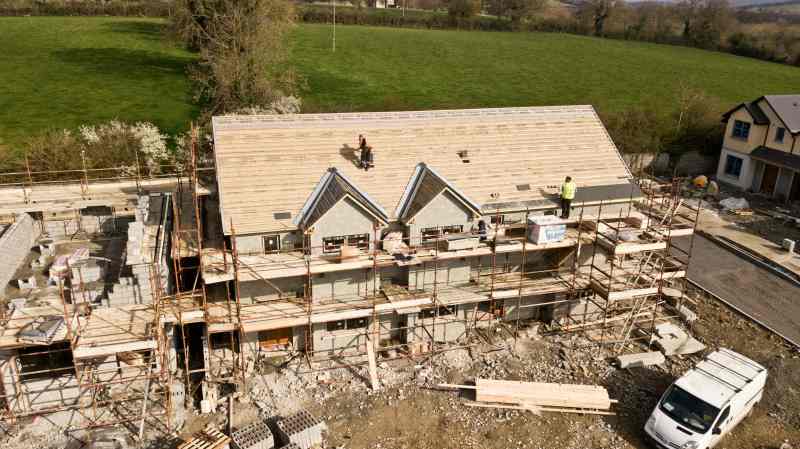

What Does a Builder Do?
A builder is a construction professional responsible for managing and overseeing the construction of buildings and other structures. Builders typically work in both residential and commercial construction projects, including new builds, renovations, and repairs. Their role can include everything from managing the logistics of the construction process to physically building the structure itself.
Some of the key responsibilities of a builder include:
- Project Management: Builders oversee the entire construction process, from planning and organizing the project to managing budgets, timelines, and labor. They work with architects, engineers, and subcontractors to ensure the project runs smoothly.
- Managing Subcontractors: Builders often hire subcontractors, such as plumbers, electricians, and carpenters, to handle specialized work. Builders coordinate these subcontractors, ensuring that each part of the project is completed according to the schedule.
- Reading and Interpreting Blueprints: Builders need to understand construction blueprints and plans, ensuring that every aspect of the design is built according to specifications.
- Ensuring Safety and Compliance: Builders must make sure that the construction site adheres to local building codes, zoning laws, and safety regulations. This includes obtaining necessary permits and ensuring that all work meets safety standards.
- Material Selection and Procurement: Builders are often involved in choosing materials for the construction project, ensuring that quality materials are used and that they are available when needed.
Is Being a Builder Enjoyable?
Building can be a highly satisfying career, especially for those who enjoy hands-on work and overseeing large projects. Here’s why becoming a builder might be enjoyable:
- Variety of Work: Builders work on a wide range of projects, from residential homes to commercial buildings and even large infrastructure projects like bridges. Each project brings new challenges, making the work interesting and dynamic.
- Tangible Results: There’s a unique sense of satisfaction in seeing a project through from concept to completion. Builders can take pride in knowing that they’ve played a significant role in creating structures that people use every day.
- Leadership and Independence: As a builder, you’ll often lead a team, make critical decisions, and oversee the construction process from start to finish. For those who enjoy taking on leadership roles, this can be highly fulfilling.
- Physical Activity: If you like working with your hands and being physically active, construction can provide a rewarding outlet. Builders often work on-site, actively overseeing the construction and sometimes doing hands-on work.
However, the job can be demanding. Builders often work long hours, especially as deadlines approach, and the work can be physically taxing. Additionally, builders need to manage multiple moving parts, which can sometimes be stressful.
Education and Qualifications Needed
While formal education isn’t always required to become a builder, the industry does have certain requirements and qualifications that can help boost your career:
- High School Diploma or GED: A high school diploma or GED is usually the minimum educational requirement. Math, science, and technical courses are particularly valuable, as construction work requires strong problem-solving skills and a basic understanding of measurements and materials.
- Vocational or Technical Training: While not mandatory, attending a vocational or technical school that offers construction management or building programs can provide a great foundation for a career as a builder. These programs typically cover construction methods, safety protocols, blueprint reading, project management, and materials science.
- Apprenticeships: Many builders begin their careers through apprenticeships, which provide hands-on training under the guidance of experienced professionals. Apprenticeships typically last 3-5 years and are a great way to learn about the trade while earning a wage.
- Certifications and Licensing: While specific licensing requirements vary by state, some builders may need a contractor’s license to legally operate and oversee projects. Obtaining certification from professional organizations, such as the National Association of Home Builders (NAHB), or pursuing Project Management Professional (PMP) certification can also help boost your credentials.
- Experience: Experience is key in the construction industry. Starting out as a laborer or apprentice, and gradually moving up to a supervisory or management role, provides the on-the-job training necessary to become a successful builder.
Tools and Equipment Needed
The tools and equipment a builder needs will depend on the scale of the projects they’re working on. However, here are the basic tools and equipment commonly used:
- Hand Tools:
- Measuring Tape and Level: Essential for accurate measurements and ensuring that work is straight and level.
- Hammer, Screwdrivers, and Wrenches: Basic tools used for framing, fastening, and adjustments.
- Utility Knife and Chalk Line: Used for cutting, marking, and measuring materials.
- Pry Bar and Crowbar: For demolition or moving materials.
- Power Tools:
- Circular Saw, Miter Saw, and Jigsaw: Used for cutting wood, drywall, and other materials.
- Drill/Driver Kit: Essential for drilling holes and driving screws.
- Power Sander: For smoothing surfaces, especially when preparing materials for finishing.
- Concrete Mixer (for larger jobs): For mixing cement and mortar.
- Heavy Equipment:
- Excavators, Cranes, and Bulldozers: These are used for larger construction projects and are typically operated by specialized workers, but the builder may need to coordinate their use.
- Safety Gear:
- Hard Hat, Safety Glasses, and Gloves: For protection while working on-site.
- Steel-Toed Boots: To protect feet from heavy materials and equipment.
- Ear Protection and Respirators: For noise protection and to avoid inhaling harmful dust or fumes.
Estimated Startup Costs: For someone just starting out as a builder or small construction business owner, tools and equipment can cost anywhere from $5,000 to $25,000, depending on the type of work you plan to do.
How Profitable is a Building Business?
The profitability of a building career can vary depending on your experience, the size of your business, and the projects you take on. Here’s a breakdown:
- Salaries for Employed Builders:
- Entry-Level Builders: If you’re employed as a construction worker or laborer, you can expect to make between $35,000 and $50,000 annually, depending on your location and experience.
- Experienced Builders: Experienced builders and those in supervisory roles can earn between $55,000 and $85,000 per year. Builders with specialized skills or certifications may earn even more.
- Project Managers or Lead Builders: If you move into a management or lead role, you can earn between $80,000 and $100,000 or more annually.
- Self-Employed Builders or Contractors:
- Builders who run their own construction businesses have the potential to earn more, depending on the size of the projects they take on. The annual revenue of a small building business can range from $100,000 to $500,000 or more, with profit margins of 10% to 20%.
- Specialized Builders: Those who specialize in high-demand areas, such as luxury homes, commercial construction, or sustainable building, can charge premium prices and increase their earnings.
Profit Margins: Profit margins in the building industry typically range from 5% to 15%. Higher margins are often seen in high-end residential or commercial construction.
Finding Clients
Getting clients is one of the most crucial aspects of being a builder. Here are some strategies for finding and retaining clients:
- Word of Mouth and Referrals: A satisfied client is one of the best sources of new business. Offering high-quality work, building good relationships with customers, and providing excellent customer service will help you earn referrals.
- Networking with Architects and Designers: Many builders work closely with architects, interior designers, and other construction professionals. Building relationships with these individuals can result in a steady flow of clients.
- Online Presence: Establish a website and social media profiles where potential clients can see your work, read reviews, and contact you. A strong online presence can help you stand out, especially if you showcase your best projects and encourage happy customers to leave reviews.
- Local Advertising and Partnerships: Advertising in local newspapers, community boards, or home improvement magazines can help you reach potential customers in your area. You can also partner with local real estate agents, property managers, and home improvement stores to get referrals.
- Bidding on Projects: Many builders find work by bidding on public or private construction projects. Websites like BidClerk or ConstructionBidSource can be great places to find construction project leads.
Conclusion
Becoming a builder in the USA is a rewarding career that offers opportunities for growth, creativity, and profitability. Whether you want to manage large-scale construction projects or run your own small construction business, the potential for success is high with the right skills, experience, and dedication.
While the work can be physically demanding and requires a strong understanding of construction processes, safety, and management, it offers a unique sense of fulfillment that comes from seeing a project come to life from start to finish.
With the right education, training, tools, and marketing strategies, you can establish yourself as a successful builder in this thriving industry.